
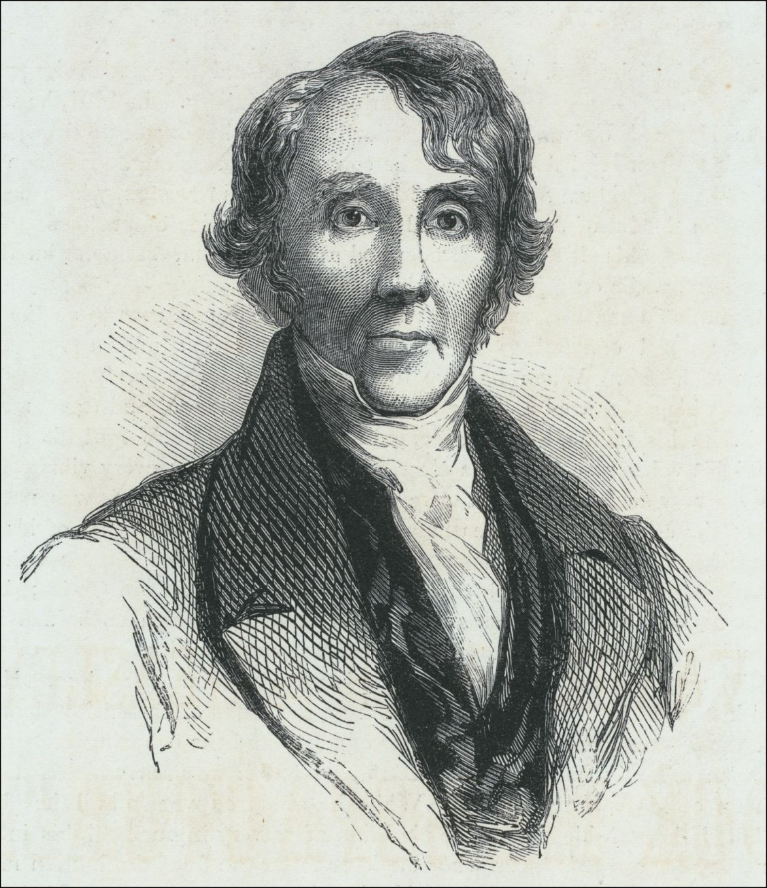
William Ellery Channing
1780-1842
 |
| DIRECTIONS |
William Ellery Channing was born in Newport, Rhode Island in 1780. He was a leading figure in American Unitarianism during the early 19th century and a key influence on the New England Transcendentalist movement.
A graduate of Harvard, Channing became the influential minister of the Federal Street Church in Boston from 1803 until his death in 1842. His 1819 "Baltimore Sermon" is considered the foundational statement of American Unitarianism, emphasizing reason over revelation, individual conscience, and the belief in a singular, not trinitarian, God. He challenged Calvinist beliefs, such as original sin and total depravity, arguing instead for essential goodness and the moral potential of humanity.
Channing was a prominent advocate for social causes, including abolitionism, education, temperance, and prison reform. His 1835 book, Slavery, marked a significant shift in his career toward public activism against the institution.
His religious philosophy was a significant influence on New England Transcendentalists, such as Ralph Waldo Emerson and Henry David Thoreau.
He was the grandson of William Ellery, a signer of the Declaration of Independence, and the uncle of the Transcendentalist poet also named William Ellery Channing.
In his final days, Channing, seeking fresh mountain air for his worsening health, journeyed to the Green Mountains. He quickly became too ill to continue and stayed at the Walloomsac Inn across the street from the cemetery, where he died a few weeks later from typhoid fever.
He is buried in Mount Auburn Cemetery in Cambridge, Massachusetts. In 1942, marking the centennial of his death, the Unitarian Churches of America dedicated this cenotaph here in Bennington.
